The story of Zenzula began unexpectedly during a visit to Thiruvannamalai in South India. Like many people who find their way there, I was drawn by the town's unique atmosphere and its association with the teachings of Sri Ramana Maharishi. Nestled beneath the sacred Arunachala hill, Thiruvannamalai has long attracted pilgrims, seekers, artists and travellers looking for a little distance from the noise and urgency of everyday life. It is the kind of place where people arrive for different reasons but often leave with something they had not anticipated finding.
For me, that unexpected discovery came in the form of an African musical instrument.
At the time, I knew very little about the Mbira. I had never played one, knew almost nothing of its history, and certainly had no reason to imagine that it would eventually influence the course of my life. Yet the first time I heard it, I was captivated by a sound unlike any I had encountered before. The notes seemed to drift rather than arrive, lingering gently in the air and intertwining with one another before dissolving into silence. There was nothing dramatic or demanding about it. The instrument was simple, understated and remarkably accessible, yet it possessed a depth that held my attention in a way few instruments ever had.
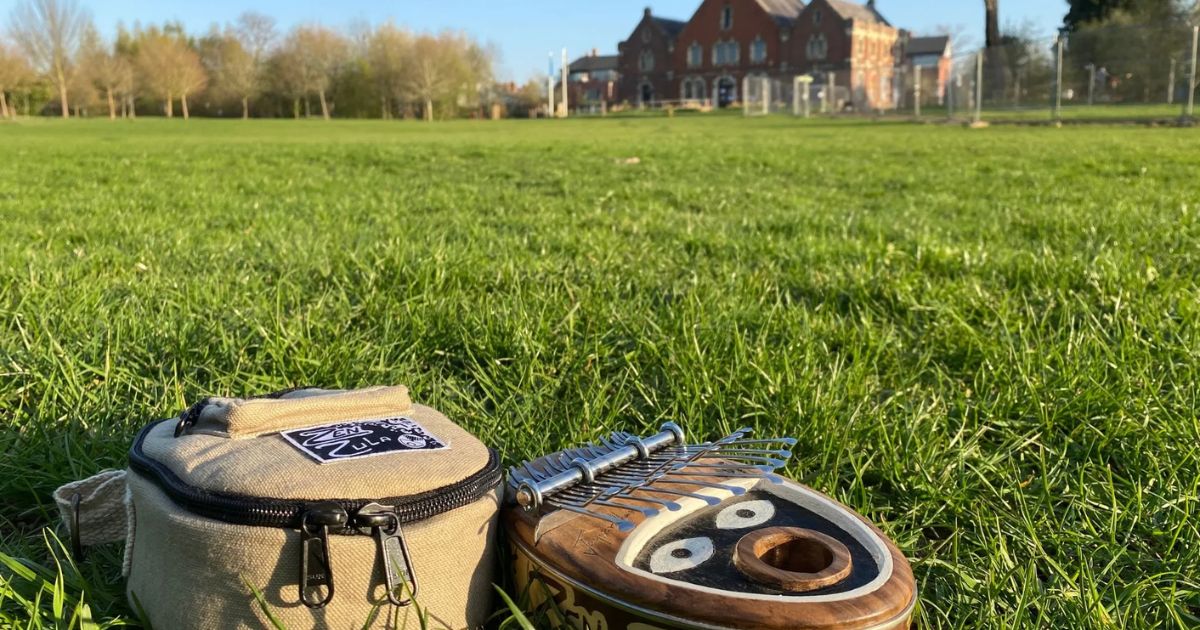
The Mbira itself has a history stretching back centuries across parts of Southern Africa, particularly Zimbabwe, where it has traditionally accompanied storytelling, ceremony, celebration and communal gatherings. Different regions have developed their own variations, tuning systems and traditions, but the instrument is generally recognised by its metal keys mounted on a wooden body and played with the thumbs. Although I would later spend considerable time learning about its origins and cultural significance, what struck me most in that first encounter was not its history but the experience of listening.
Many musical instruments reward technical mastery. Their full potential reveals itself only after years of disciplined practice and study. The Mbira seemed to offer something different. Even a few notes played slowly could create an atmosphere that felt calm, absorbing and surprisingly complete. There was no pressure to perform, no expectation of virtuosity and no sense that enjoyment was dependent upon expertise. The pleasure came simply from the sound itself and from the way those notes interacted with one another as they lingered in the air.
Looking back, I believe it was this simplicity that remained with me long after the journey had ended. We live in a world that constantly competes for our attention, where notifications, deadlines, advertisements, conversations and an endless stream of information demand to be acknowledged. Silence has become increasingly rare, and moments of genuine stillness are often treated as empty spaces that need to be filled. The Mbira seemed to suggest an entirely different relationship with sound. Rather than demanding attention, it invited it. A short phrase could be repeated over and over again, revealing something slightly different with each repetition. The overlapping harmonics created movement within the music even when very little was actually happening, rewarding patience in a way that felt almost unfamiliar.
After returning home to Bombay, I found myself thinking about the instrument far more often than I expected. What had initially seemed like a passing encounter slowly developed into a fascination. I began reading about its construction, exploring its tuning systems and learning about the many regional variations that existed across Africa. The deeper I looked, the more intriguing the instrument became, not only because of its history but because of the remarkable simplicity through which it achieved such richness of sound.
Curiosity eventually led to experimentation. Working evenings and weekends around a demanding corporate career, I began building instruments of my own. The earliest attempts were far from refined. Some sounded promising, others sounded considerably less so, but each experiment revealed something new about resonance, materials and craftsmanship. Every success introduced a new challenge, and every failure offered a lesson that could not have been learned any other way. What started as a personal exploration gradually became a serious pursuit, occupying more of my time, attention and imagination than I had ever anticipated.
As the instruments evolved, so too did the idea behind them. I was never interested in creating exact replicas of traditional Mbiras. Those instruments belong to cultures with histories, traditions and meanings far older than my own work, and they deserve to be appreciated on their own terms. What fascinated me was the experience that had first drawn me to the instrument: the accessibility, the intimacy and the extraordinary ability of a handful of notes to transform the atmosphere of a room. I wanted to explore how those qualities could be carried forward while allowing something new to emerge through my own approach to design and craftsmanship.
Over time, that exploration became the foundation of Zenzula.
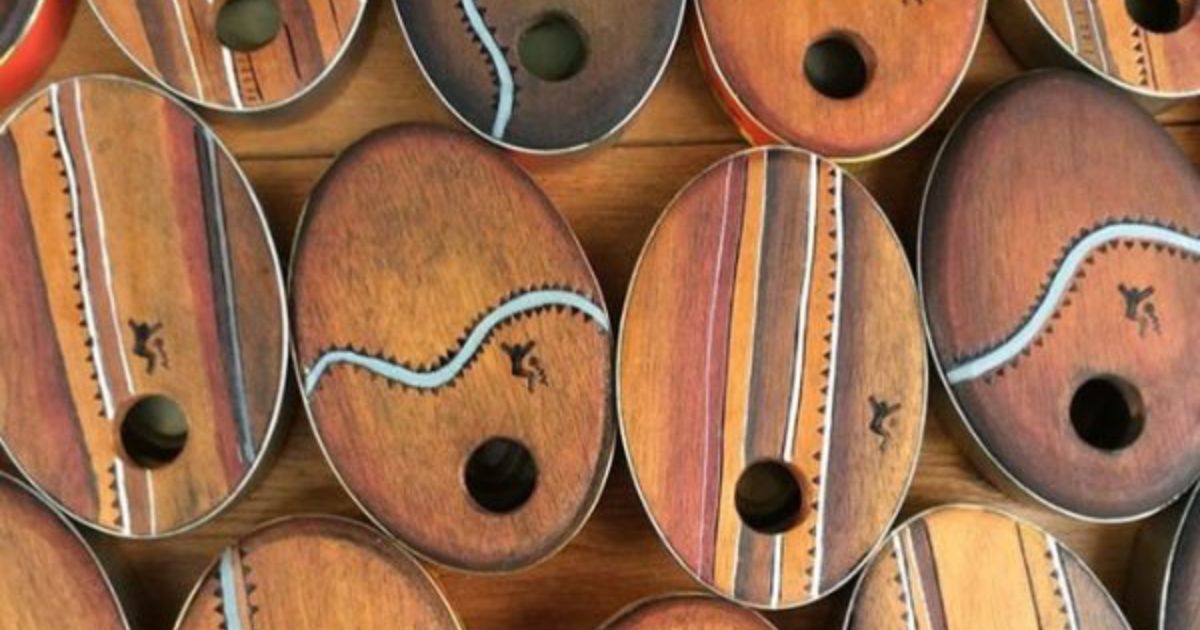
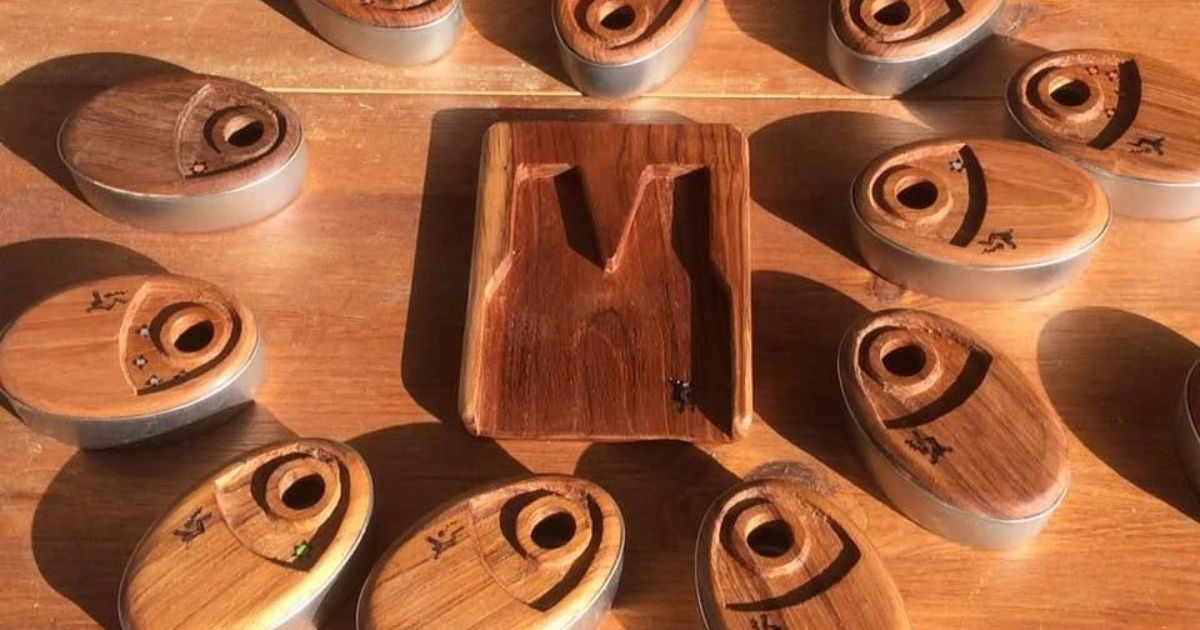
Today, every Zenzula is handcrafted in our Bombay workshop using reclaimed and sustainably sourced materials. The instruments have evolved considerably over the years, developing their own voices, identities and designs. Some are bright and playful, inviting experimentation and spontaneity, while others possess a deeper, more reflective character that encourages slower and more meditative exploration. Although each instrument is different, they all share the same underlying philosophy: that meaningful musical experiences should be accessible to anyone, regardless of age, training or technical ability.
One of the most rewarding aspects of this journey has been watching people discover that they do not need years of instruction to enjoy creating beautiful sounds. They do not need to think of themselves as musicians, understand music theory or perform for an audience. Often, all that is required is a willingness to slow down, listen carefully and allow a few simple notes to unfold at their own pace. In those moments, the instrument becomes less about performance and more about presence.
Perhaps that is one reason instruments like the Mbira have endured across generations and cultures. They remind us that music was never solely about performance or technical accomplishment. Long before concert halls, recording studios and digital platforms, music existed in homes, around fires, within families and among communities. It was woven naturally into everyday life, serving as a means of connection, reflection and shared experience.
The encounter that eventually led to Zenzula lasted only a short time, yet its influence has remained with me for many years. Every instrument that leaves the workshop carries a small trace of that original inspiration, not as a copy of the Mbira, but as a continuation of the idea that first drew me to it: that sound can be simple, accessible and quietly transformative, and that sometimes the most profound experiences arrive when we are not looking for them.
Sometimes a journey changes where you are going. More often, it changes the way you see the path that was already waiting for you.