Until that moment I had never encountered one. I knew nothing of its history, its cultural significance, or the centuries of tradition that lay behind it. What caught my attention was simply its sound.
There was something immediately captivating about it. The notes were delicate yet resonant, simple yet somehow layered with complexity.
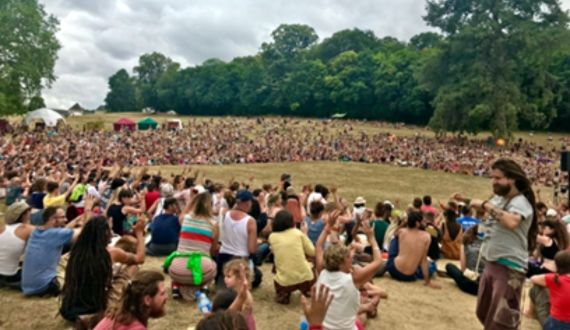
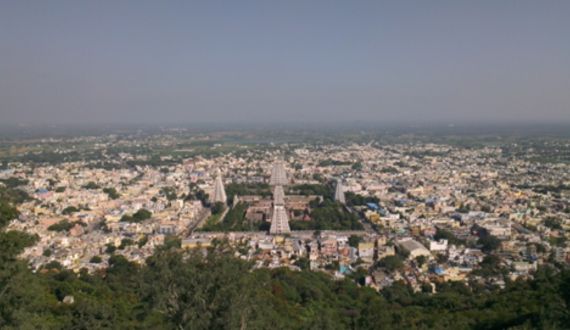
Amidst the movement of the gathering and the thousands of people making their way around the mountain, the instrument seemed to create a small island of calm around itself. I remember standing there, listening, and feeling an almost instant curiosity about how such a modest-looking object could produce a sound that felt so absorbing.
When I returned to Bombay, the memory stayed with me. At the time I was working as a manager with JP Morgan, spending my days in a world of meetings, targets, reports, and deadlines. Yet despite the demands of my professional life, I found myself thinking repeatedly about that instrument. What had begun as curiosity slowly developed into something deeper. I wanted to understand how it worked, how it was made, and why it had affected me so strongly.
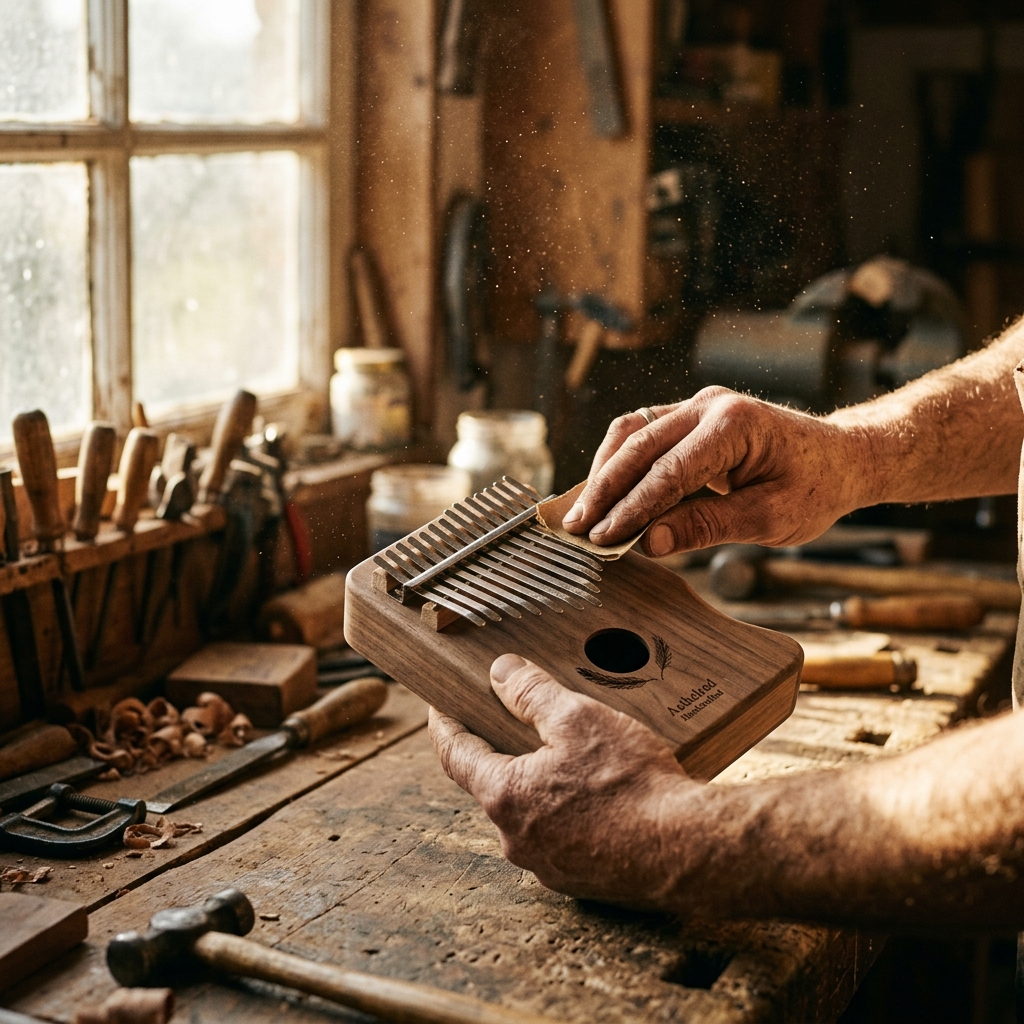
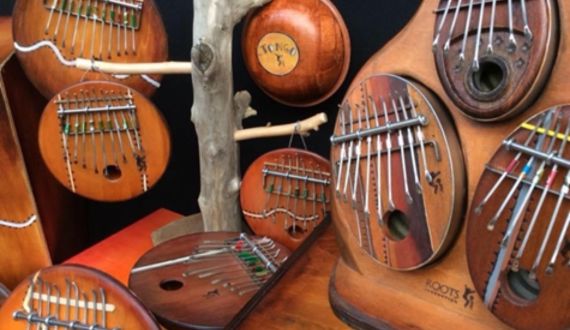
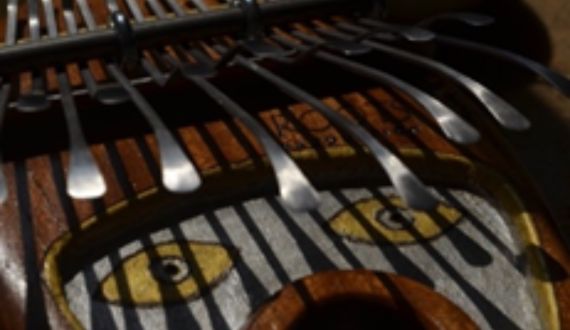
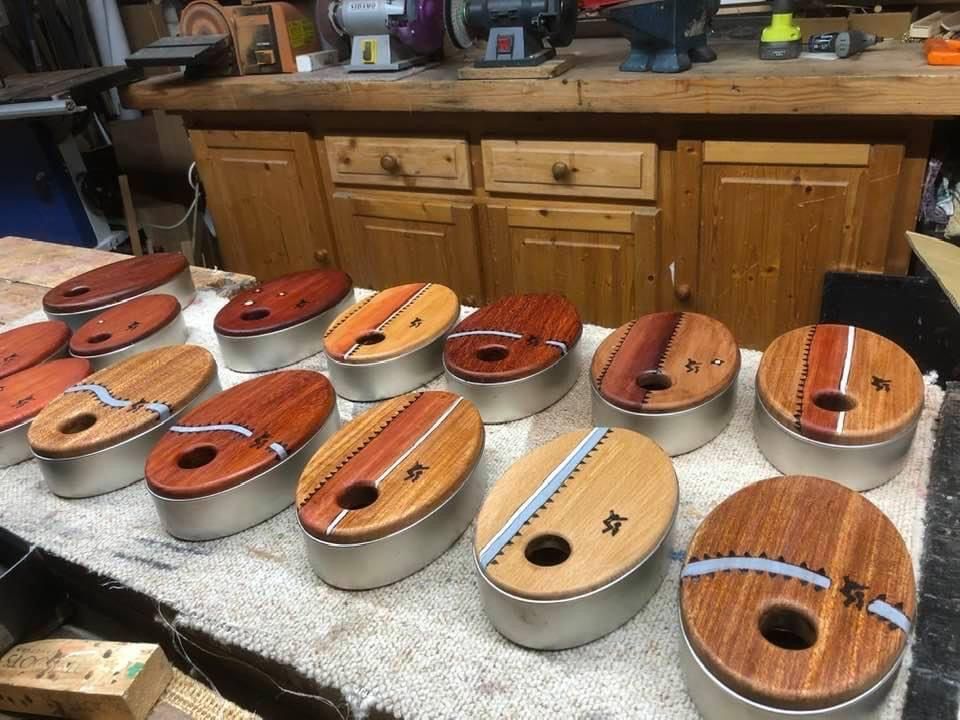
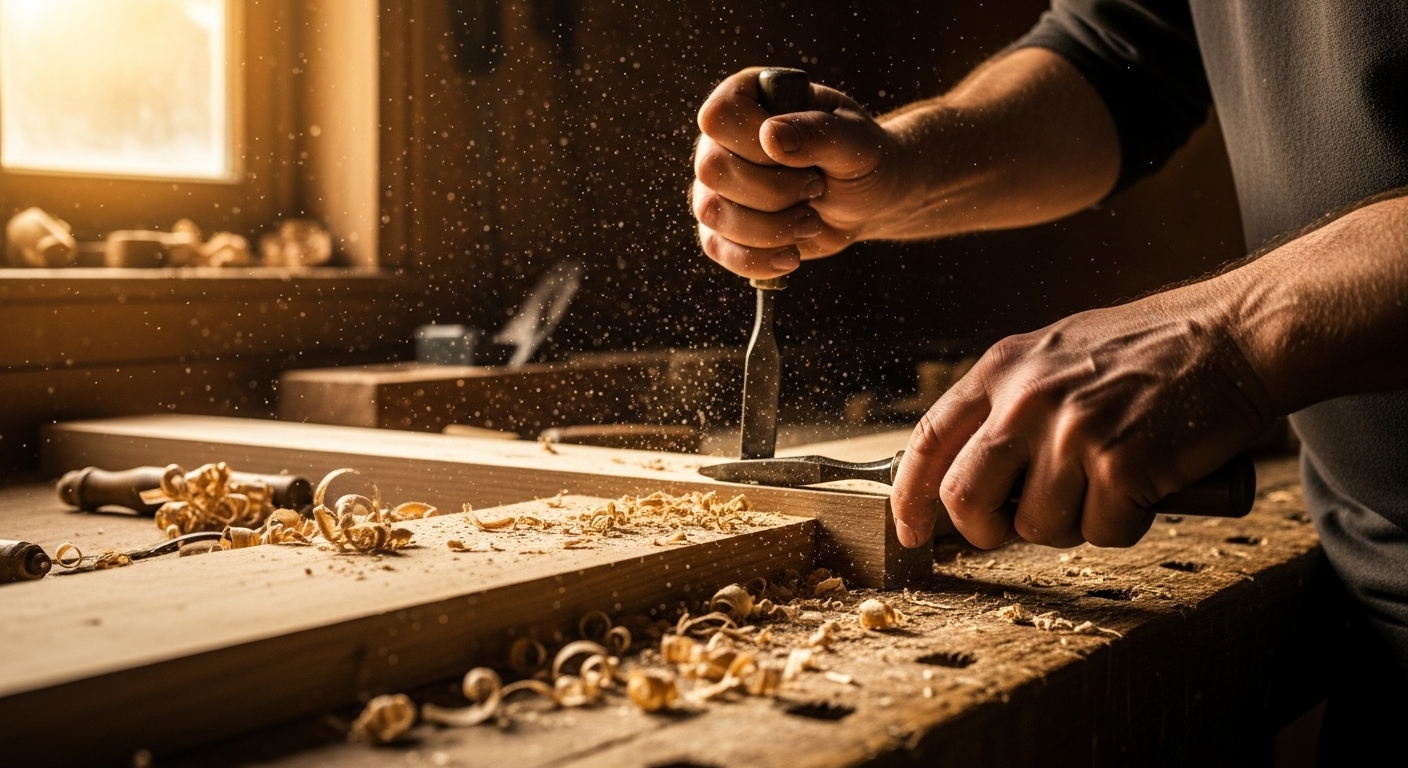
That curiosity eventually led me to rent a small workshop and begin building my own instruments. I had no intention of starting a company and certainly no idea where the journey would lead. I was simply fascinated by the challenge of recreating an instrument that had left such a strong impression on me. With guidance from a few skilled luthiers and a great deal of experimentation, I began working with locally available woods, recycled materials, metal tines, and different resonator designs, gradually learning how each element influenced the final sound.
The first instrument turned out far better than I expected. Encouraged by that early success, I continued building, refining, and experimenting. What began as a single project gradually became a years-long exploration of sound, design, and craftsmanship. Every instrument taught me something new. Some revealed unexpected possibilities, while others forced me back to the drawing board. Slowly, a distinctive voice began to emerge.
One of the earliest signs that this might become more than a personal fascination arrived completely by accident. Late one evening, a group of travellers from Chicago found themselves lost in the lane where I lived and stopped to ask for directions. After a friendly conversation, I invited them in. They noticed the instruments almost immediately and became intrigued by them. The following day they returned and purchased two. A few days later, after travelling onward to Agra, they called again. The friends they had gifted the instruments to loved them so much that they wanted six more.
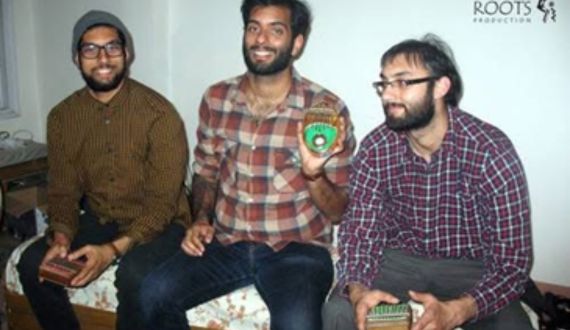
Looking back, it still feels like an improbable story, but it was also the moment I realised that the appeal of these instruments extended far beyond my own experience. People responded to them regardless of age, nationality, or musical background. Some were musicians, while others had never played an instrument in their lives. Yet the reaction was often remarkably similar. People would pick one up, play a few notes, smile, and continue exploring.
That response continues to fascinate me today. In a world where many musical instruments require years of study and practice, the Mbira and its descendants possess a rare accessibility. They invite participation rather than performance. They encourage exploration rather than perfection. Perhaps that is why they have endured for so long and why they continue to resonate with people from such different walks of life.
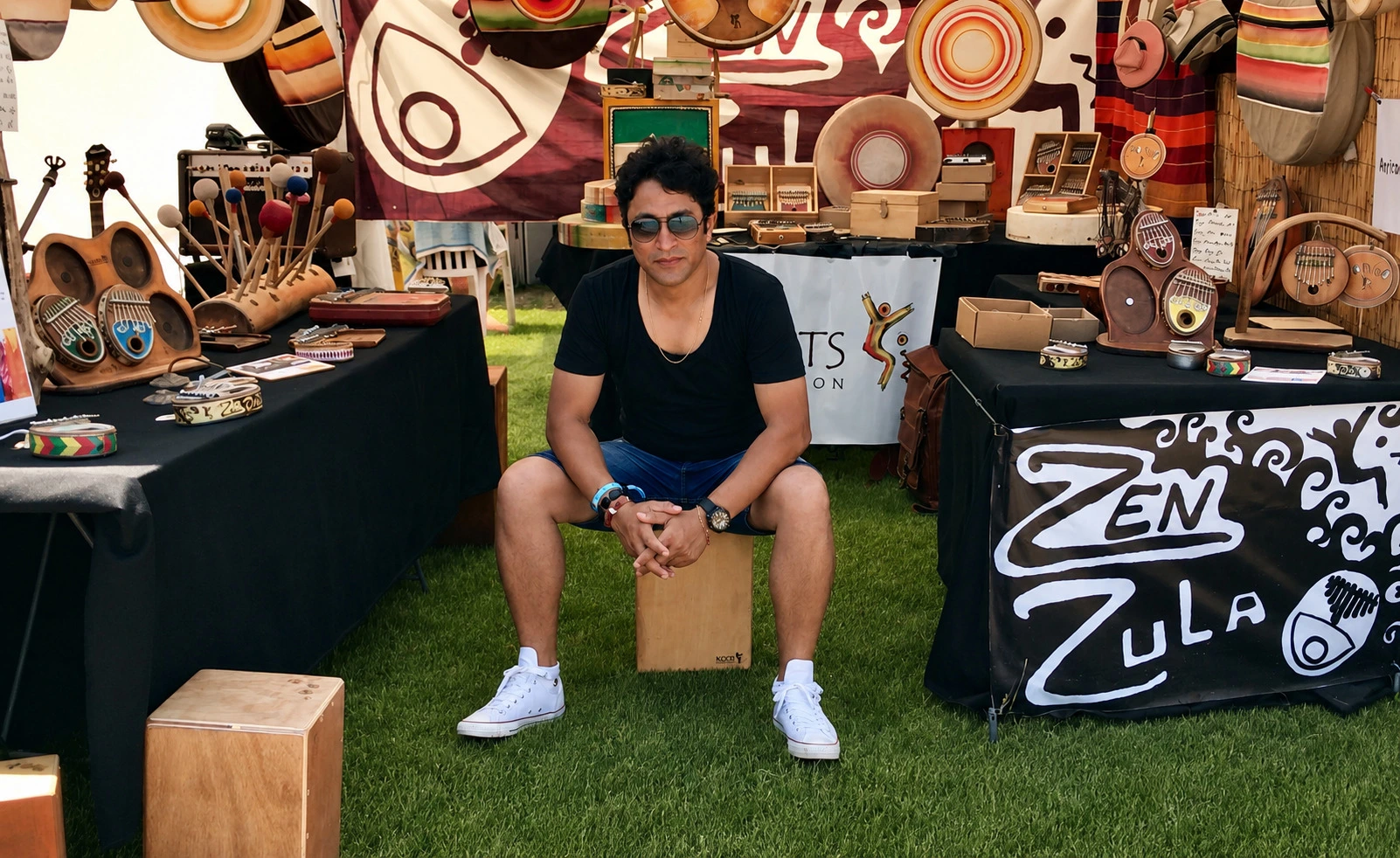
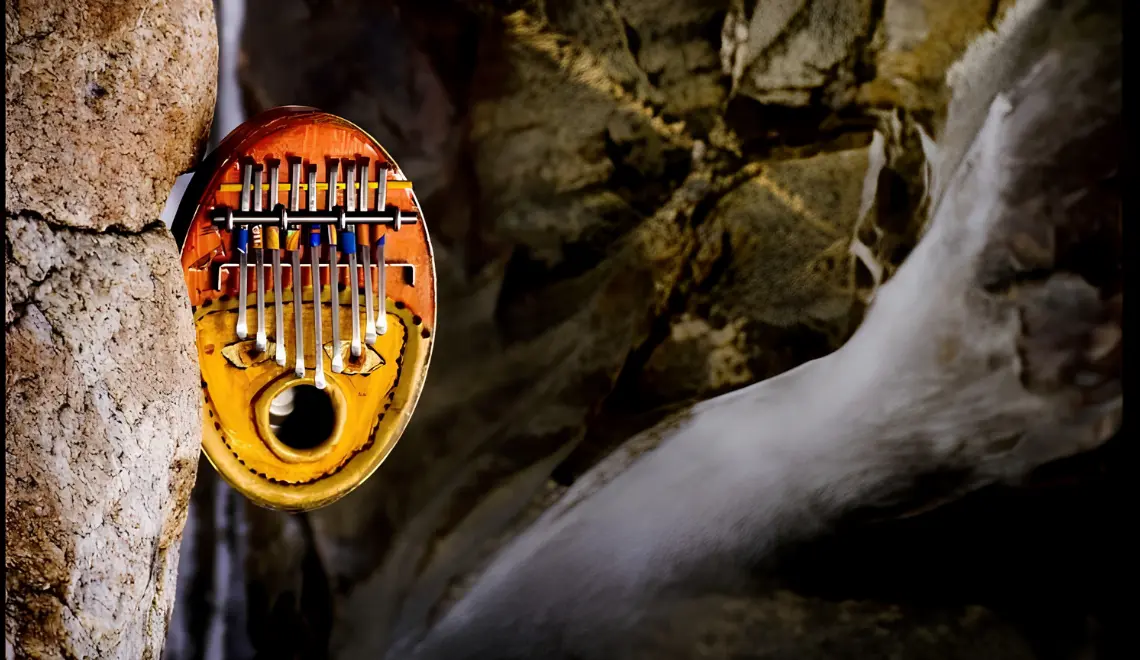
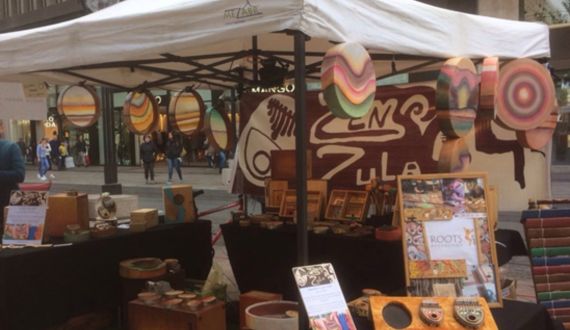
Over the years, those early experiments evolved into what is now known as the Zenzula. Inspired by the ancient African Mbira but shaped by years of craftsmanship, artistic exploration, and practical experience, the instrument has gradually developed an identity of its own. Every Zenzula is still handcrafted in our Bombay studio using reclaimed and sustainably sourced materials. Each one is individually tuned, finished, and tested by hand, carrying with it the small variations and unique character that only handmade objects possess.
The name itself emerged from the experience that first inspired the instrument. The sound seemed to encourage a sense of calm, focus, and quiet attention. It transformed ordinary moments and ordinary spaces, creating an atmosphere that felt both intimate and restorative. For me, the word Zenzula came to represent an instrument capable of bringing a little more stillness into an increasingly noisy world.
Today, the collection includes instruments designed for melody, rhythm, exploration, creativity, storytelling, and personal reflection. Yet the idea that first inspired the journey remains unchanged. Music should not be reserved for trained musicians alone. It should be something anyone can enjoy, explore, and make a part of everyday life.
Everything we create begins with that belief.